1200x1200.png)
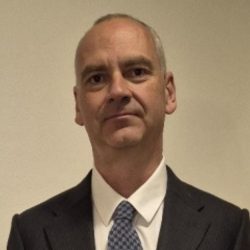
Zdeněk Dvořák
Department of Cell Biology and Genetics Faculty of Science Palacký University Olomouc
Zdeněk Dvořák graduated in Analytical Chemistry at Palacký University (Olomouc, Czech Republic), in 1997. During his PhD studies, he joined the research group of prof. Patrick Maurel in Montpellier - France (Detoxication et Physiopathologie Hepatique, Institut National de la Santé Et de la Recherche Médicale, INSERM U128), where he studied effects of natural compounds on xenobiotic-metabolizing P450s in human hepatic models (1998; 2000). At that time, Zdeněk Dvořák worked for part-time job as analytical toxicologist at Department of Forensic Medicine and Medical Law, Faculty Hospital Olomouc (1999-2010). After obtaining PhD in Medical Chemistry and Biochemistry (Palacký University, 2001), he returned to prof. Maurel´s laboratory for INSERM-sponsored post-doc stay (2002-2003). During this stay, dr. Dvořák demonstrated essential roles of microtubular cell network in glucocorticoid-dependent inducibility of drug[1]metabolizing P450s (Dvořák 2003 Mol Pharmacol). While installed at Faculty of Medicine Palacký University (2003-2008), dr. Dvořák had beenteaching Biochemistry, and focused his research on microtubules-dependent glucocorticoid signaling (Dvořák 2005 Cell Signal). Dr. Dvořák obtained degree Doctor Rerum Naturalium in Analytical Chemistry (2004), and associated professor degree in Medical Chemistry and Biochemistry (2006). In 2007, Zdeněk Dvořák received EMBO fellowship, which he spent in prof. Maurel´s laboratory in Montpellier, where he studied the roles of mitogen[1]activated protein kinases in regulation of drug-metabolizing enzymes through aryl hydrocarbon receptor AhR (Dvořák 2008 Biochem Pharmacol).
In 2008, assoc. prof. Dvořák has been appointed as a Head of Department of Cell Biology and Genetics, Faculty of Sciences, Palacký University, where he teaches Cell Biology, and Toxicology classes. He accredited PhD study program Molecular and Cell Biology, and he actively supervises PhD students; to date, 11 PhD students defended thesis under his supervision. In 2010, Zdeněk Dvořák received degree of full professor in Biochemistry (Palacký University), and in 2012 degree Doctor Scientiarum in biological sciences, at Slovak Academy of Sciences (Bratislava). In the period 2014- 2018, prof. Dvořák served as a vice-dean for science&research and as a deputy dean. He has been P.I. of numerous national and European research grants, he has served as a grant reviewer and committee member for Czech and Slovak funding agencies, and expert for EU Research Executive Agency.
In 2008, prof. Dvořák established his own independent research group, dedicated to study cellular signaling by xenobiotic receptors AhR and PXR, under physiological and pathophysiological conditions. Numerous international collaborations were initiated and are running. Prof. Dvořák has published >200 papers, presented data at >200 conferences, and (co)authored 2 EPA and 1 US patent. Prof. Dvořák´s team developed, published, and licensed a series of stable reporter cell lines for determining activity of xenobiotic and nuclear receptors. In collaboration with prof. Sridhar Mani (Albert Einstein College of Medicine, New York, USA), prof. Dvořák established a concept of targeting xenoreceptors with microbial metabolites mimicry as a novel strategy for drug discovery. They developed and validated functionalized indoles as first-in-class AhR (Grycová 2022 J Med Chem) and PXR (Dvořák 2020 EMBO Mol Med) agonists, and as a proof of concept, their anti-colitis effects in mice were demonstrated. Collaborative follow-up studies are pending. Recently, prof. Dvořák´s team reported monoterpenoids as atypical negative allosteric modulators of AhR, which protected mouse against UV skin damage (Ondrová 2023 Nat Commun). The current research focus of prof. Dvořák´s laboratory is therapeutic targeting of AhR with allosteric modulators, by exploiting diverse molecular approaches. At present, prof. Dvořák serves as a visiting professor at Jagiellonian University in Kraków (Poland), teaching PhD course “Plant secondary metabolites”.